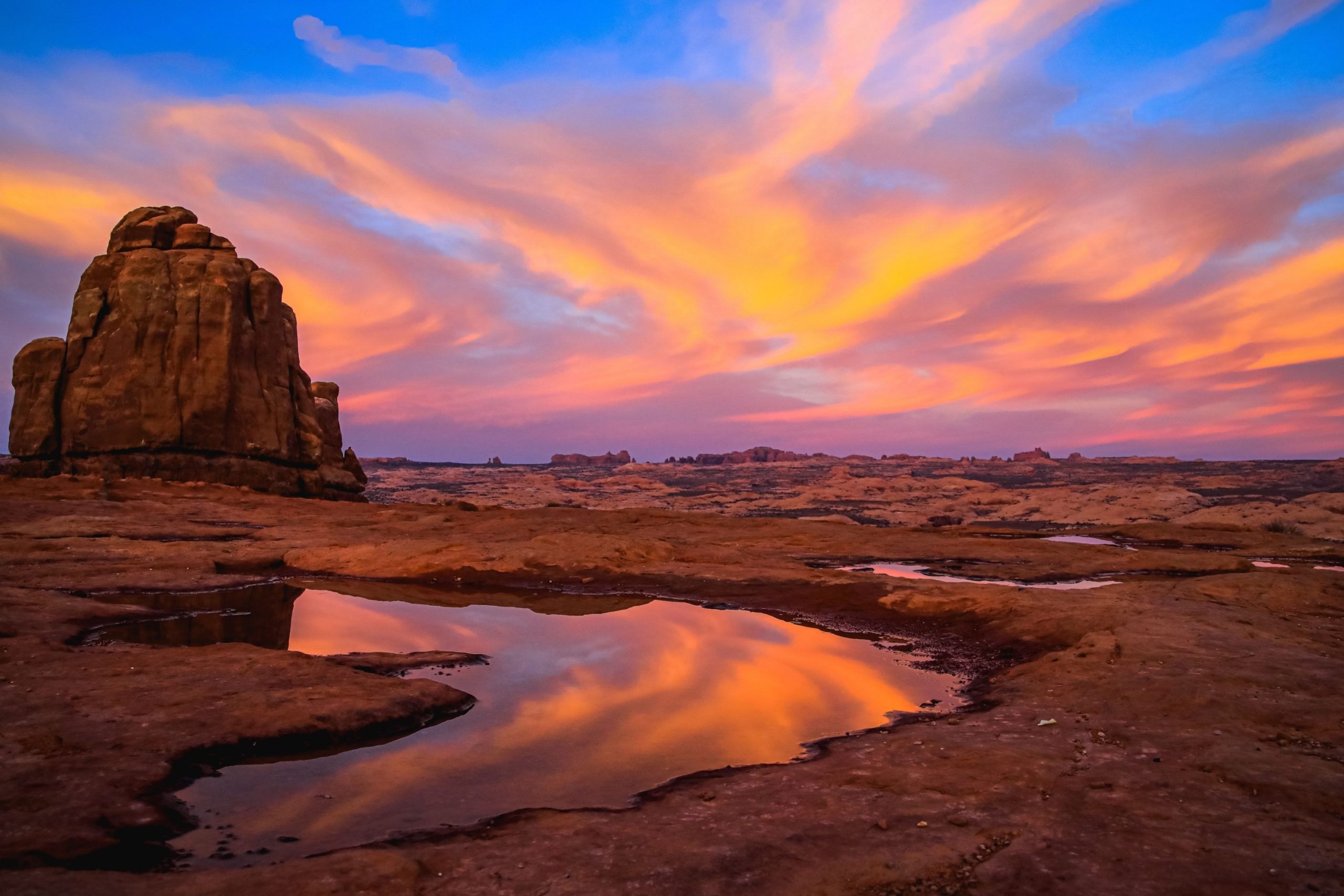
Plan Your Perfect Moab, Utah Vacation
From Arches and Canyonlands to hidden slot canyons and the Colorado River, we help you plan an unforgettable trip. A Moab vacation with local knowledge, honest recommendations, and itineraries built by people who know.
Start Planning Explore AdventuresTwo National Parks. Endless Red Rock. One Small Town.
Moab sits at the doorstep of Arches and Canyonlands, two of Utah's legendary Mighty Five. But the parks are just the beginning. The surrounding public land opens up thousands of square miles of trails, canyons, rivers, and cliffs that most visitors never discover.
What sets Moab apart is how much fits into such a compact area. You can hike to Delicate Arch at sunrise, crawl over Hell's Revenge by noon, paddle the Colorado River in the afternoon, and watch the sunset from Dead Horse Point that evening. All within 30 miles of Main Street.
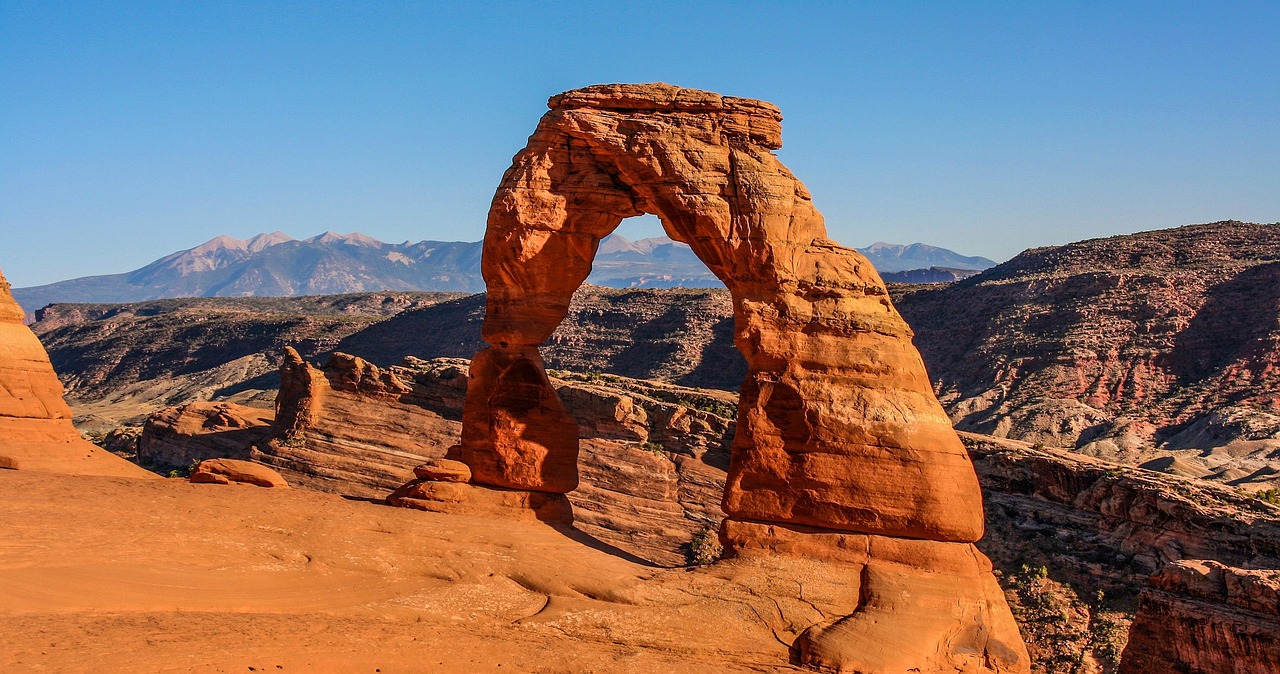
Moab Adventures for Every Type of Traveler
Whether you crave adrenaline or prefer a scenic drive, Moab delivers. These are the experiences that keep people coming back year after year.
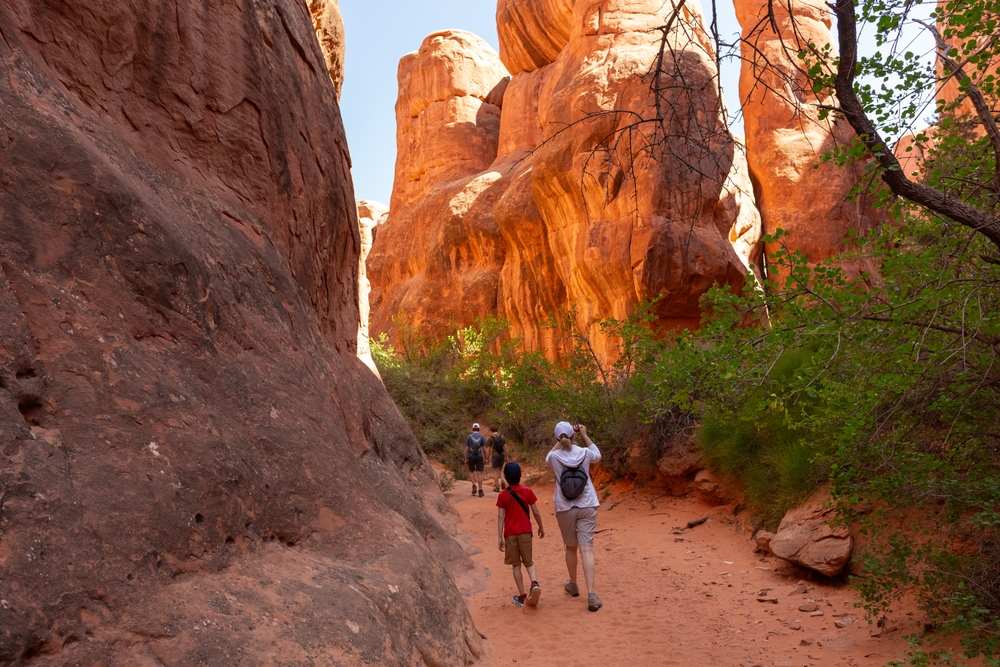
Hiking
Hundreds of trails, from wheelchair accessible viewpoints to strenuous canyon scrambles. Trail picks, difficulty ratings, and what to expect.
Explore hiking →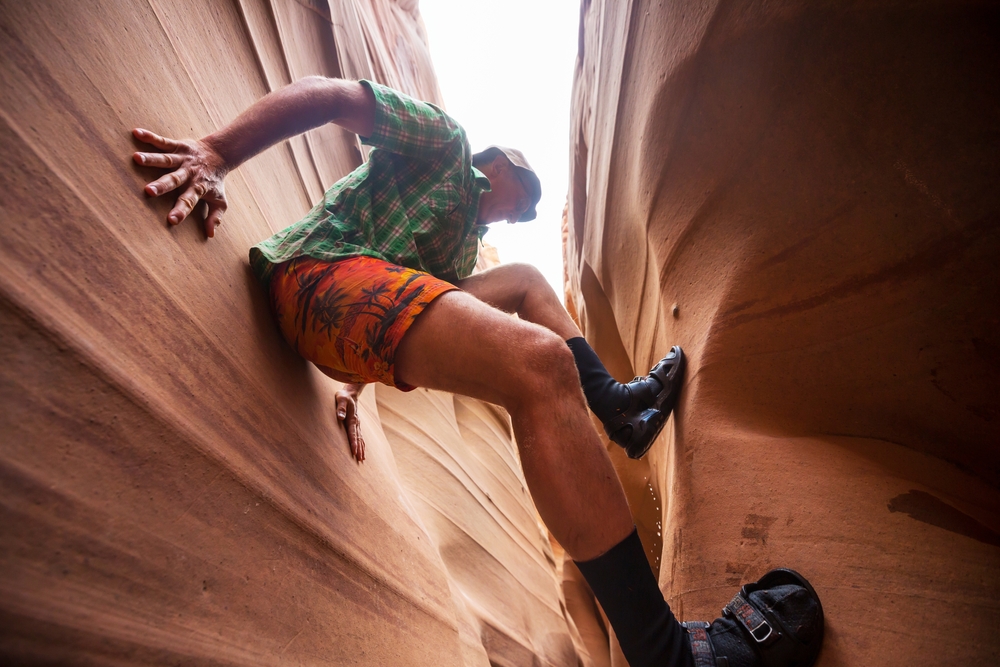
Canyoneering
Rappel into hidden slot canyons with expert local guides. No experience needed for beginner routes like Granary and Bow and Arrow.
Explore canyoneering →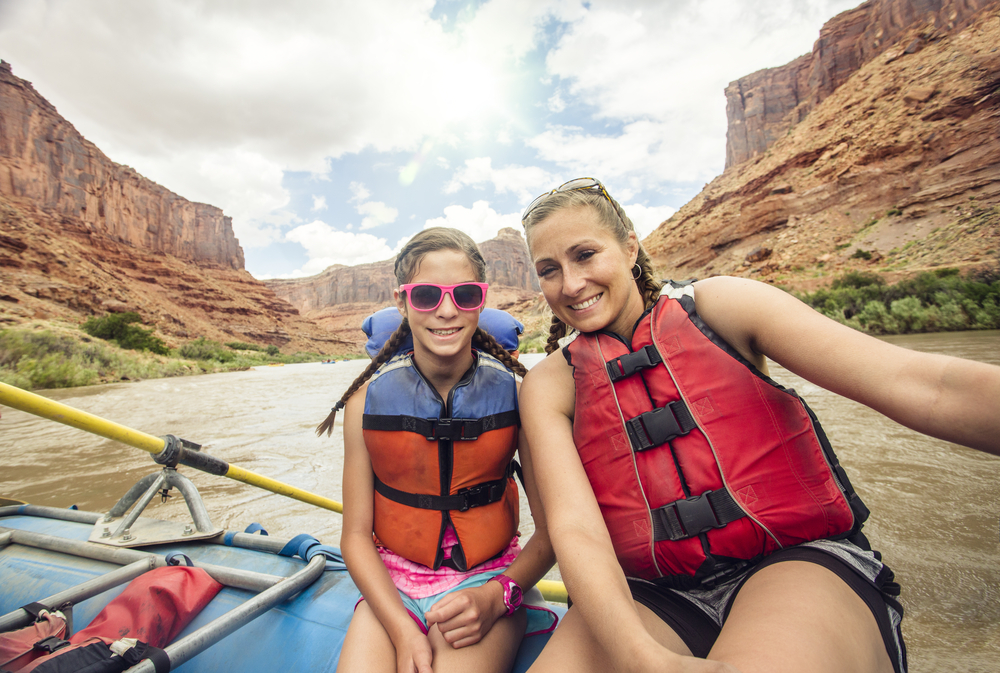
Rafting & Paddleboarding
From calm floats perfect for kids to Class III rapids that get your heart pumping, plus stand up paddleboarding on quiet river stretches.
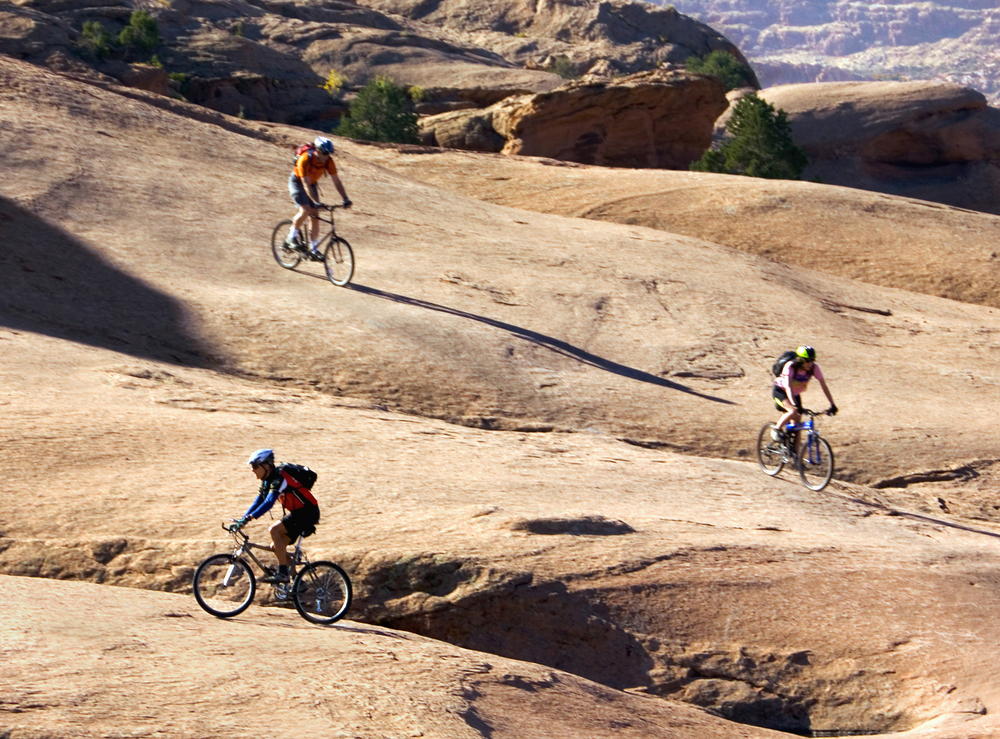
Mountain Biking
Moab is the mountain biking capital of the world. Slickrock, Porcupine Rim, the Whole Enchilada, and singletrack for every skill level.
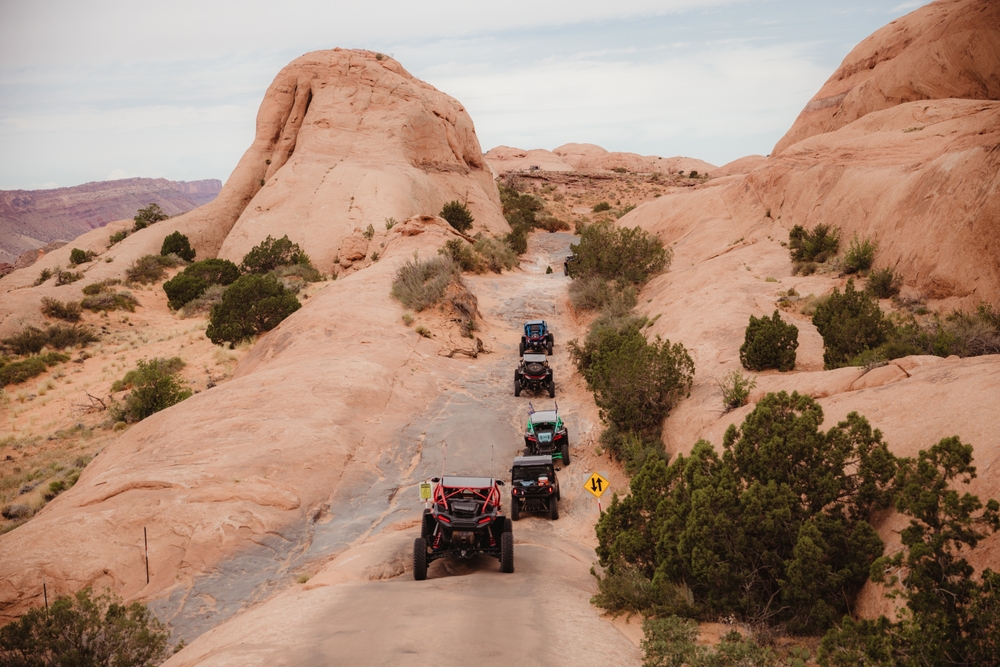
Off Roading & ATV Tours
Crawl over slickrock on Hell's Revenge, Fins & Things, or the White Rim Road, in your own 4x4 or behind the wheel of a guided ATV.
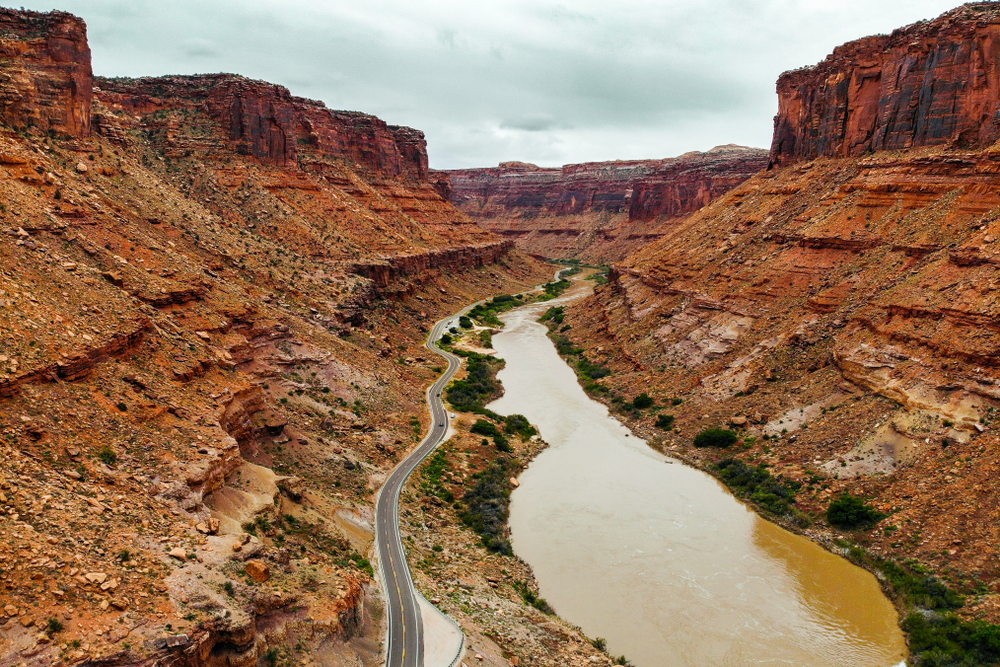
Scenic Drives
Highway 128 along the Colorado, the La Sal Mountain Loop, and Potash Road. World-class views with no hiking required.
Plan a drive →The Moab Tours Worth Reserving Ahead
A local guide turns a good trip into a great one. Guides handle permits, gear, and logistics while sharing the geology, history, and hidden viewpoints you would never find on your own. These are the tours we recommend locking in before you arrive: in spring and fall, morning time slots routinely sell out 2 to 4 weeks ahead, and most bookings come with free cancellation, so there's no downside to reserving early.
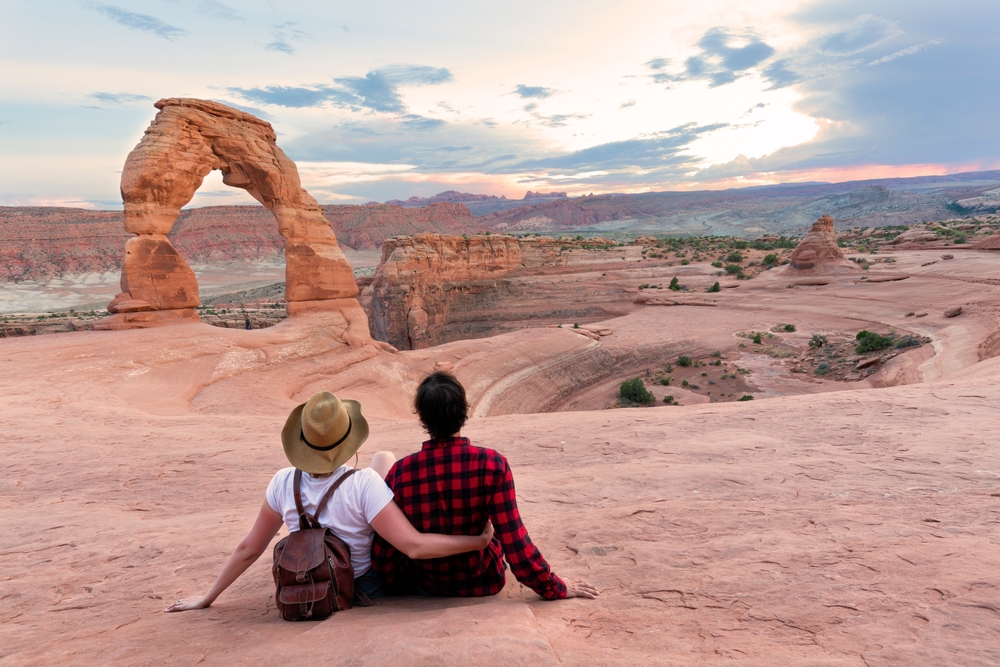
Arches National Park Tour
See Delicate Arch, the Windows, and the park's icons with a local guide who handles the driving, timing, and the stories behind the stone.
Check Availability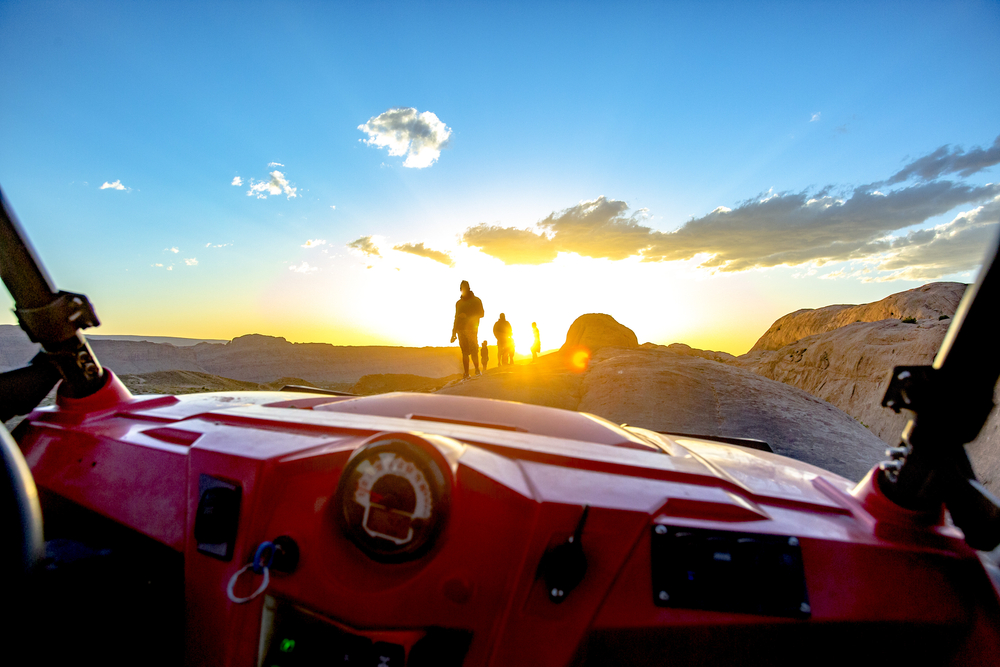
Hell's Revenge ATV Tour
Drive your own ATV up Moab's most famous slickrock fins with a professional guide leading the way. The ride everyone talks about at dinner.
Check Availability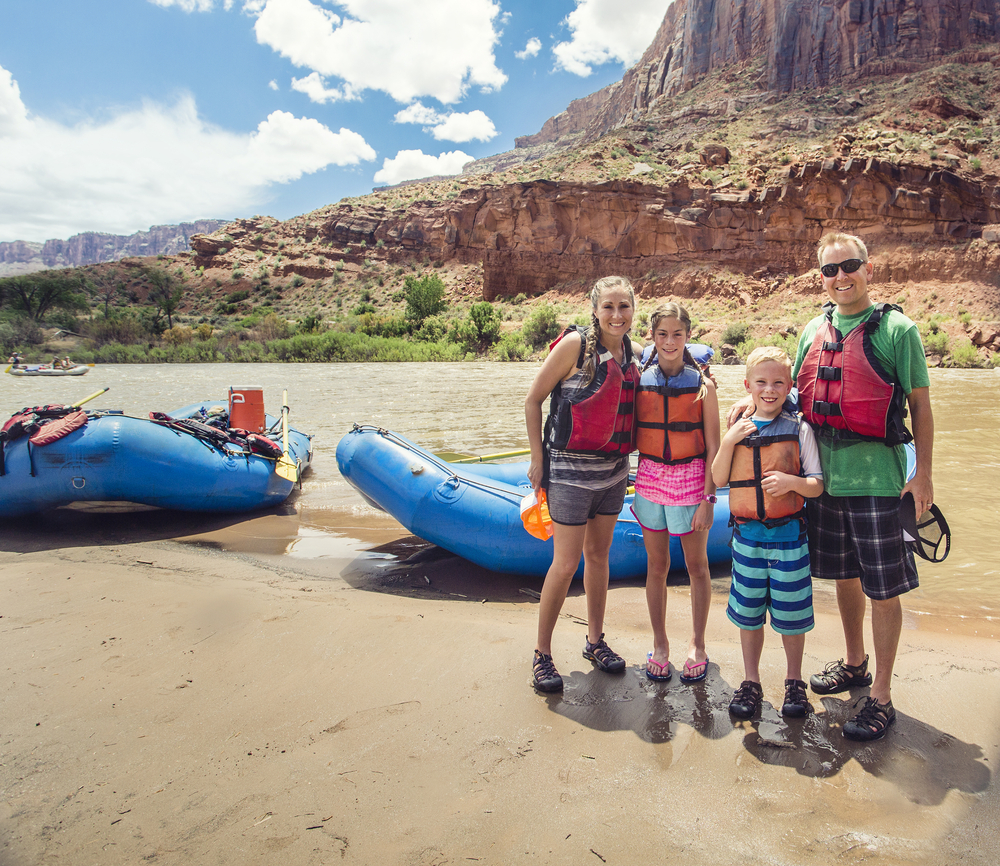
Colorado River Rafting
Splashy, sunny, and guided from start to finish on the famous Moab Daily stretch. The perfect first river trip, easy to pair with a morning in Arches.
Check Availability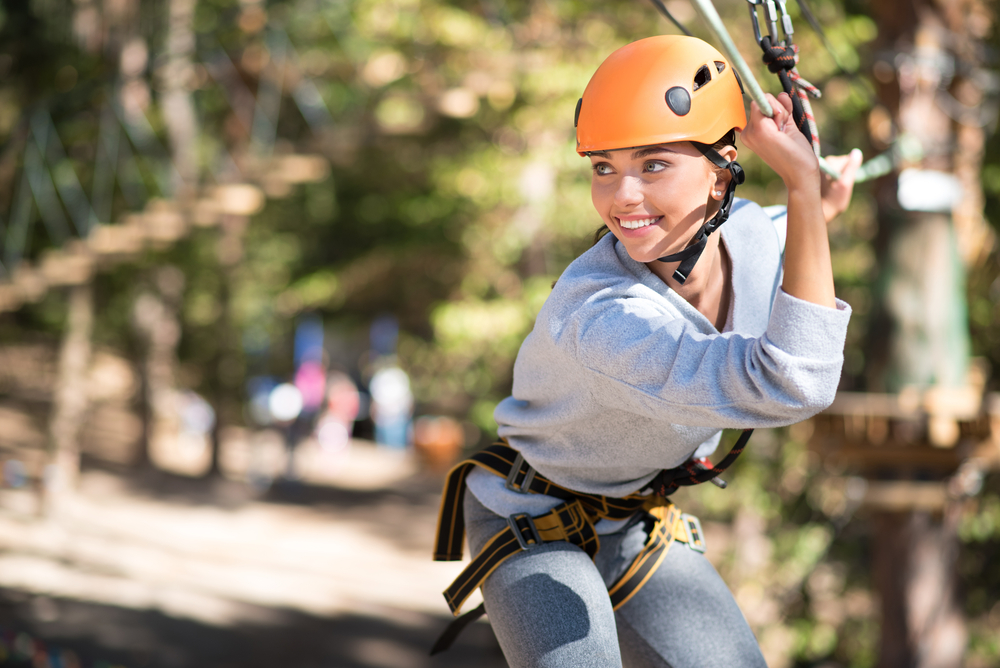
Moab Zipline Adventure
Soar over red rock canyons on a course built for panoramic desert views. Short on time? This packs the biggest thrill per hour in Moab.
Check Availability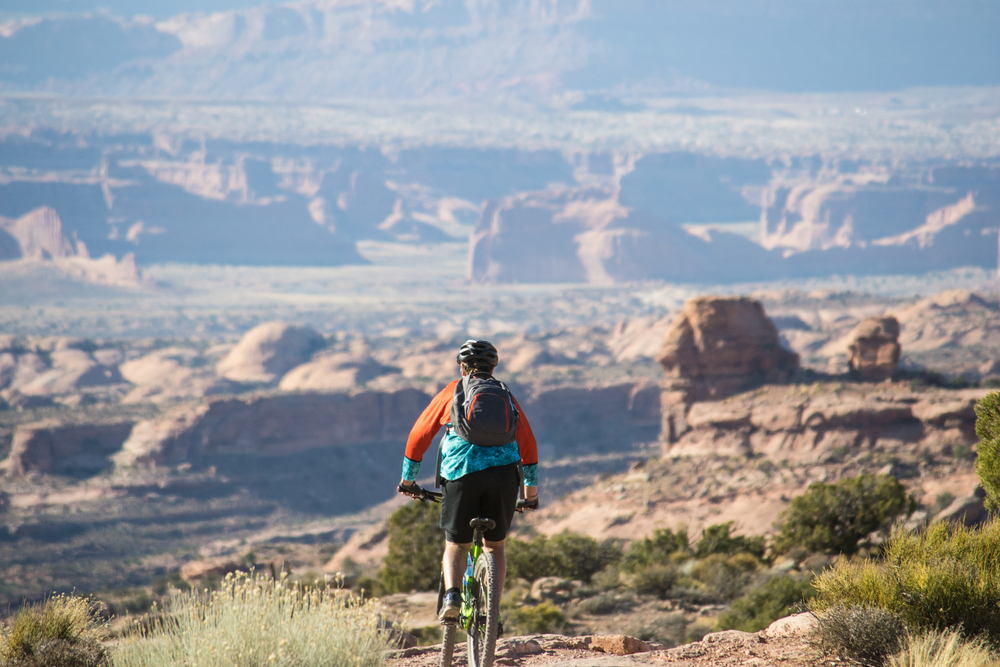
Guided Mountain Bike Tour
Ride world-famous slickrock with a guide who matches the route to your skill level. Quality bike and helmet included, no gear hauling required.
Check Availability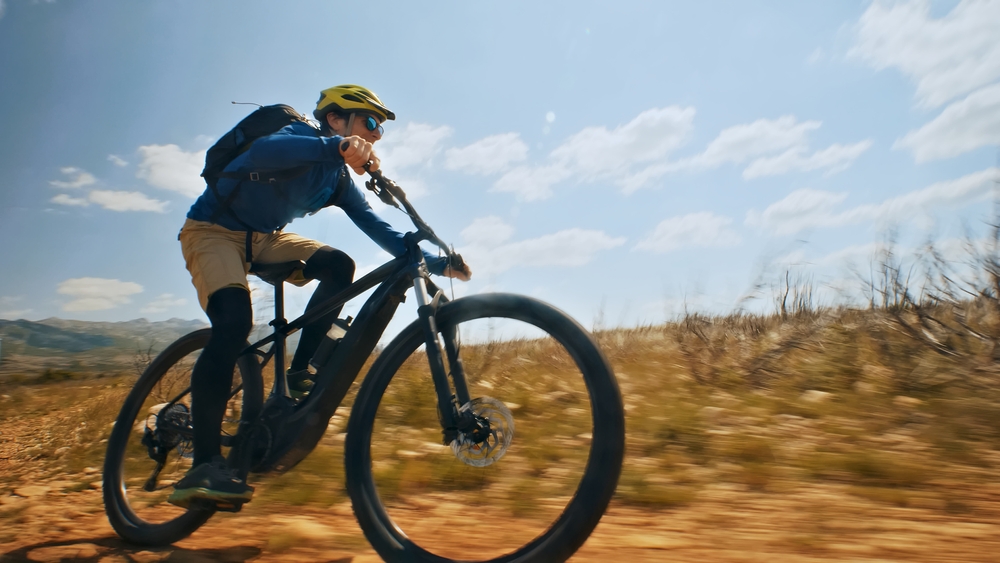
E Bike Tour
All the scenery, a fraction of the sweat. Electric assist makes red rock riding accessible for every fitness level and every age.
Check Availability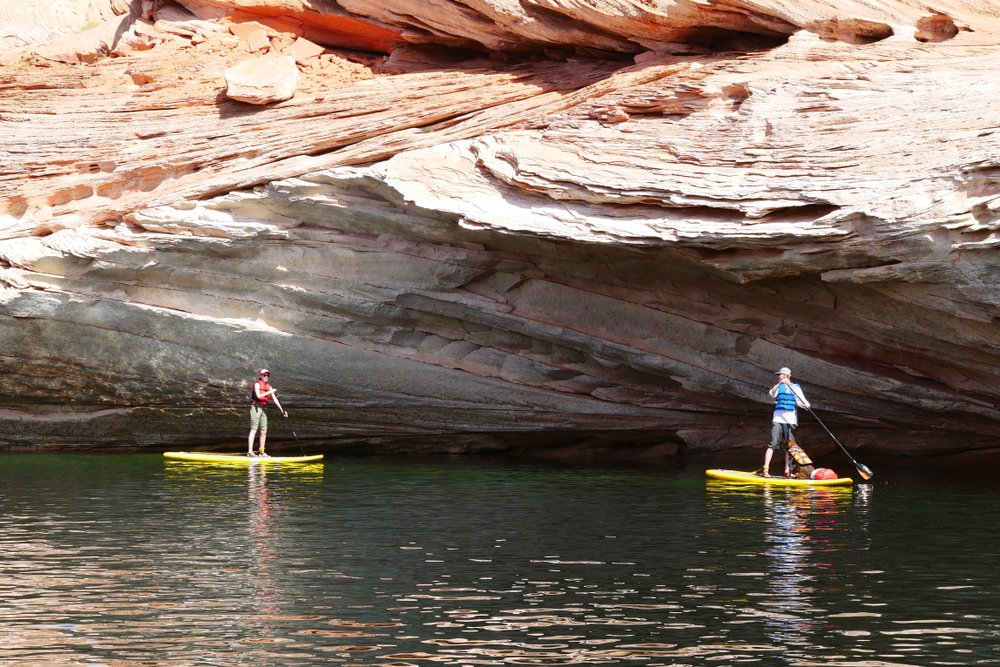
Paddleboarding on the Colorado
Glide beneath towering canyon walls on calm river stretches. A peaceful counterpoint to Moab's adrenaline, and easier than it looks.
Check Availability
Half Day Tours
Morning canyoneering, afternoon rafting, sunset safaris. Big adventure that still leaves time for dinner in town. Browse every half day option.
Browse Half Day ToursNot sure which adventure fits your group? Start with our free trip planner or browse ready-made itineraries built around these exact tours.
When to Visit Moab
Each season brings a completely different experience. Here's what to expect so you can pick the best window for your trip.
| Season | Daytime Temps | Best For | What to Know |
|---|---|---|---|
| Spring Mar – May |
55°F – 85°F | Hiking, biking, wildflowers, rafting season kickoff | The busiest and best overall season. Book tours and lodging 4 to 6 weeks ahead. |
| Summer Jun – Aug |
90°F – 108°F | River trips, water activities, early morning hikes | Start hikes before 7 am. Afternoon thunderstorms are dramatic but brief. Midweek lodging deals. |
| Fall Sep – Nov |
50°F – 80°F | Mountain biking, photography, golden cottonwoods | The best light of the year. Crowds thin noticeably after mid October. |
| Winter Dec – Feb |
25°F – 45°F | Solitude, snow dusted red rock, lowest rates | Fewest crowds of the year. Some tours run reduced schedules, so confirm before booking. |
Want the month by month breakdown? Our seasonal guides cover exactly what to expect, from weather and crowds to which tours are running.
How Much Does a Moab Vacation Cost?
Moab works for every budget. You can camp under the stars for under $30 a night or book a resort with a pool and red rock views for $400 plus. The biggest variable is guided versus self guided: a DIY hiking day in Arches costs nothing beyond the $30 park entry, while a full day guided tour runs $150 to $300 per person and delivers an experience you can't replicate alone.
| Expense | Budget | Mid Range | Premium |
|---|---|---|---|
| Lodging (per night) | $15 – $40 | $100 – $200 | $250 – $500 |
| Dining (per day) | $15 – $25 | $40 – $70 | $80 – $120 |
| Guided Tours | Self guided | $100 – $200 | $250 – $400 |
| Park Entry | $30 per vehicle (7 days) or $80 America the Beautiful annual pass | ||
| Gear Rentals | $0 | $30 – $80 | $80 – $150 |
| Daily Total | $40 – $75 | $175 – $350 | $400+ |
Parks Near Moab, Utah
Moab is the basecamp for two of Utah's Mighty Five national parks and a handful of spectacular state parks. Here's what's within easy reach.
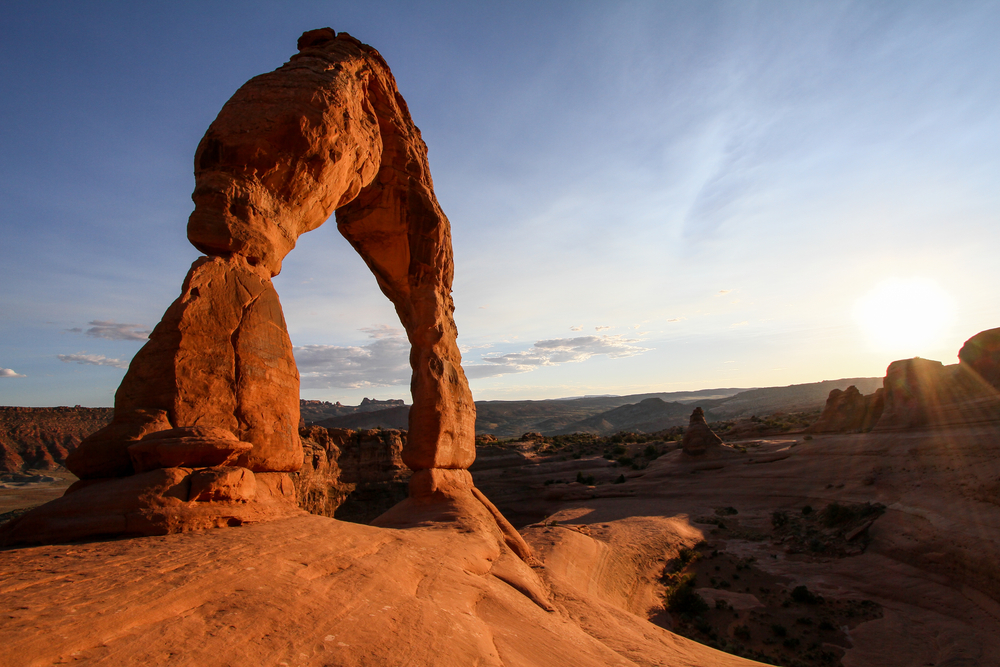
Arches National Park
Over 2,000 natural stone arches including iconic Delicate Arch. Five miles from downtown, and no timed entry reservation needed in 2026.
Plan your visit →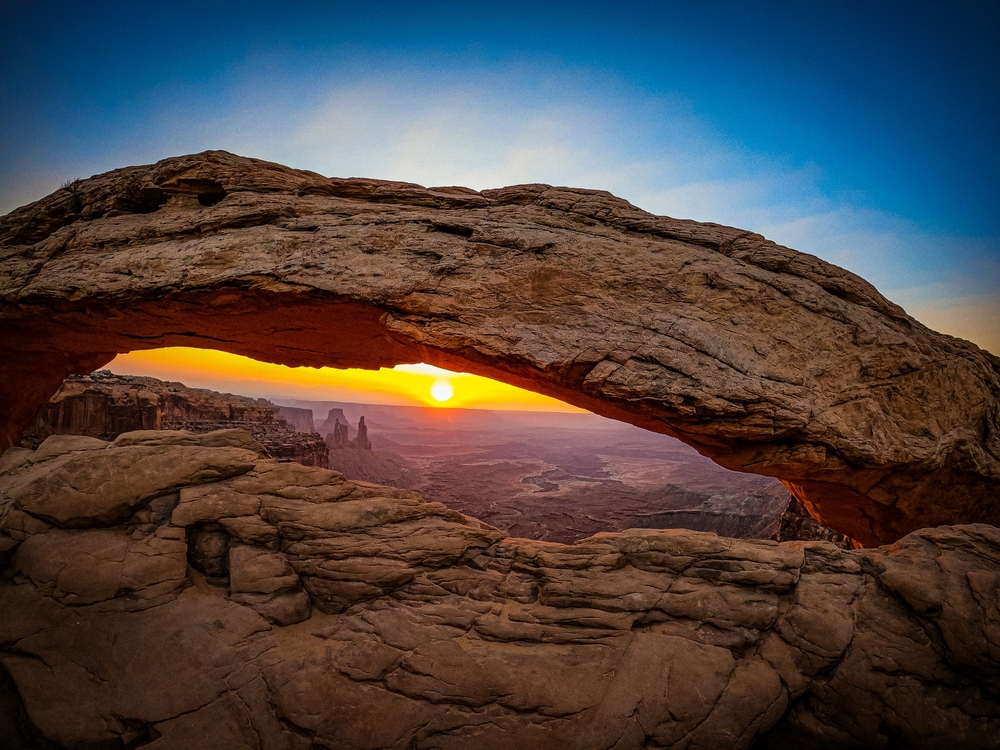
Canyonlands National Park
A vast wilderness of canyons, mesas, and buttes. The Island in the Sky district is 30 miles from Moab.
Plan your visit →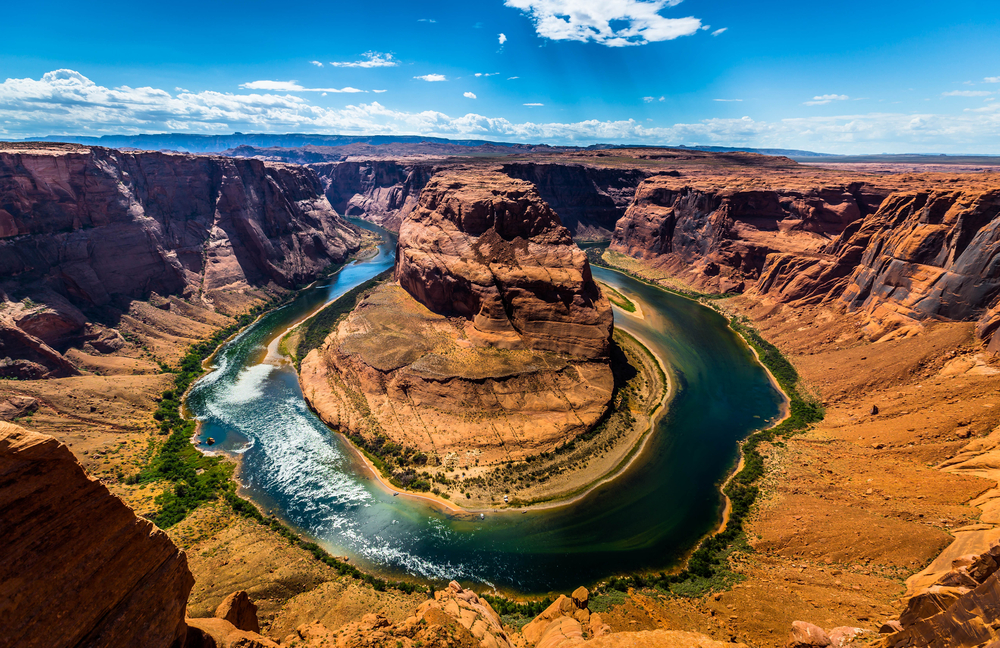
Dead Horse Point State Park
One of the most photographed overlooks in the West, perched 2,000 feet above the Colorado River.
Plan your visit →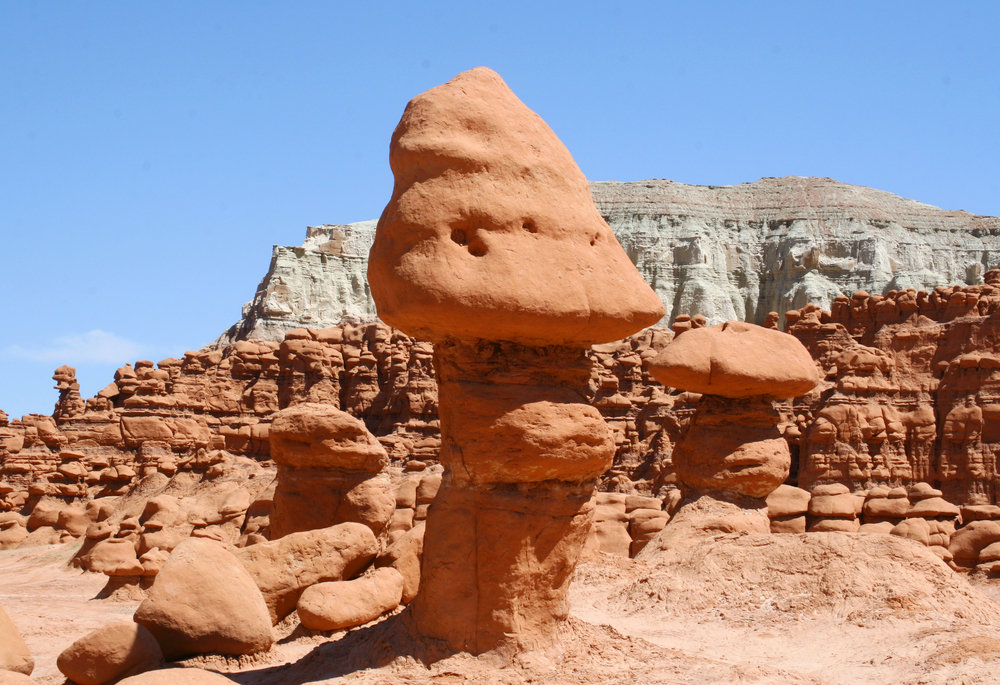
Goblin Valley State Park
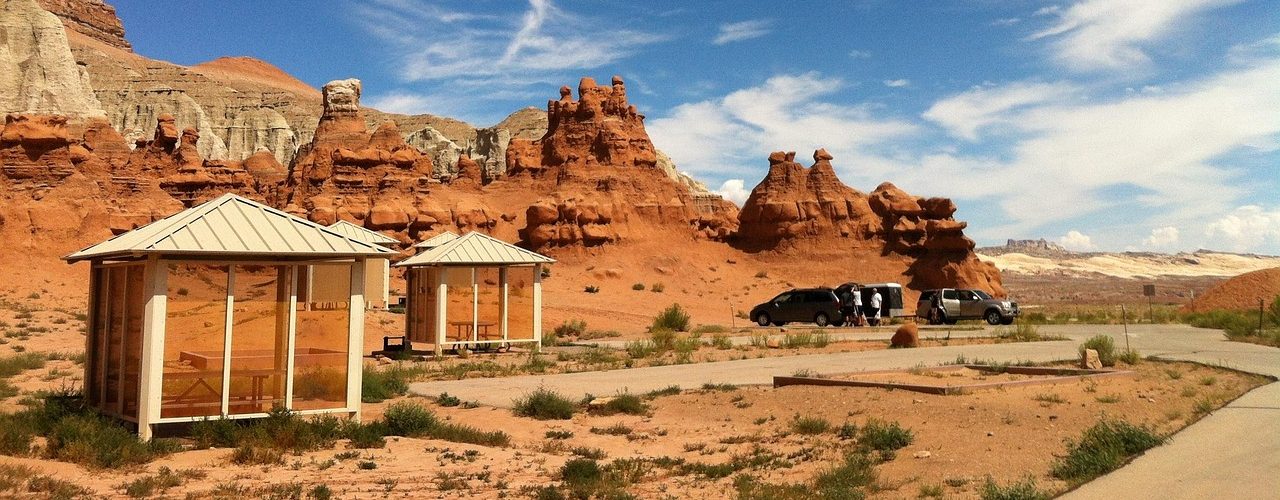
An otherworldly landscape of mushroom shaped hoodoos. Kids love roaming free through this alien terrain.
Plan your visit →Explore the full lineup on our national parks and state parks guides, including Capitol Reef, Green River, and Utahraptor.
Moab Lodging for Every Budget
From primitive BLM camping under the stars to boutique desert resorts, most visitors stay along Main Street or the Highway 191 corridor, within 10 minutes of both Arches and downtown restaurants.
Camping: $15 – $40 per night. Hotels & motels: $80 – $250 per night. Resorts, glamping & vacation rentals: $200 – $500 plus for premium views and amenities.

Where to Eat in Moab
Moab's food scene has grown well beyond trail mix. The town now serves everything from wood fired pizza and craft beer to fresh baked pastries and farm to table dinners with red rock views.
Start your morning at Love Muffin Cafe for breakfast burritos, grab lunch at Milt's Stop & Eat, a local tradition since the uranium boom, then settle into 98 Center for dinner on a cottonwood shaded patio.
Moab Trip Planning FAQ
What is the best time to visit Moab, Utah?
Do I need a reservation to enter Arches National Park in 2026?
Should I book Moab tours in advance?
How many days do you need in Moab?
How much does a Moab vacation cost?
Do you need a car in Moab?
Is Moab good for families with kids?
What should I pack for a Moab trip?
Ready to Plan Your Moab Adventure?
Lock in a tour before the best time slots fill up, then build the rest of your trip around it with our free vacation planner.
Browse Half Day Tours Open the Trip Planner