
Birdwatching in Moab
Birdwatching in Moab | Best Birding Spots and Tours in Utah’s Red Rock Country
If you love spotting wings in wild places, birdwatching in Moab delivers something few desert destinations can match. Between the sandstone cliffs, cottonwood groves, and cool mountain forests, you can see over 200 bird species through the seasons. From Great Blue Herons along the Colorado River to tiny hummingbirds flitting among red rock blooms, Moab’s variety of habitats makes every outing a discovery. This guide will show you where to go, what to expect, and how to make the most of your birdwatching adventure in Moab.
Where to Go Birdwatching in Moab
Moab’s landscapes create micro-habitats that attract very different species depending on where you look. You could start your morning on the Colorado River, spend midday in desert canyons, and finish in the La Sal Mountains—all in one day.
1. Matheson Wetlands Preserve
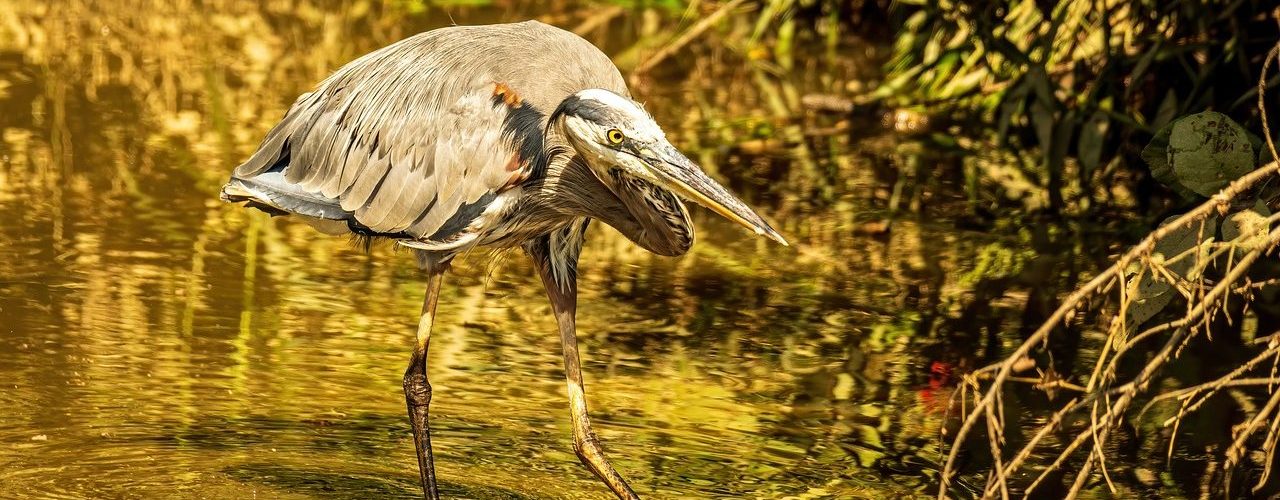
Just minutes from downtown Moab, this 875-acre preserve is one of the most productive birding areas in southeastern Utah. You’ll find walking trails, boardwalks, and shaded benches that make it an ideal first stop for visitors. Early morning light brings Red-winged Blackbirds, Yellow Warblers, and Great Blue Herons into view. Spring and fall migrations can add Sandhill Cranes, American Avocets, and the occasional Bald Eagle.
Quick tip: Bring binoculars and stay quiet along the main loop. The reeds and willows hide more than they reveal at first glance.
2. Colorado River Corridor
Drive Scenic Highway 128 east of Moab and pull over at riverside stops or picnic areas. This corridor is a natural flyway where swallows, kingfishers, osprey, and even peregrine falcons follow the river’s bend. The Fisher Towers Viewpoint is a particularly photogenic place to set up a spotting scope.
3. Arches National Park
While most visitors come to Arches for stone arches and sunsets, birders know it’s also home to ravens, rock wrens, canyon towhees, and golden eagles. The Windows Section and Courthouse Wash Trail are easy to access and offer excellent morning light for photography.
Insider insight: Early or late hours provide fewer crowds and better opportunities to capture birds perched against glowing sandstone.
4. Canyonlands National Park (Island in the Sky District)
The canyons’ mix of juniper, pinyon pine, and rimrock draws raptors year-round. Look for red-tailed hawks, turkey vultures, and canyon wrens near viewpoints like Mesa Arch or Grand View Point. During spring, listen for songbirds nesting in the shrubs around Willow Flat Campground.
5. Dead Horse Point State Park
At over 5,000 feet in elevation, this mesa rim park is an excellent place to spot soaring birds of prey. Bring a camera with a zoom lens because you might catch a raven in flight above the cliffs or photograph a hawk riding thermals over the Colorado River. The park’s visitor center offers interpretive signs on native bird species.
6. La Sal Mountains
Only 30 miles from downtown, the La Sal Mountains rise above 12,000 feet and attract high-altitude species you won’t find in the desert below. Warblers, chickadees, woodpeckers, and Steller’s jays thrive in these cooler forests. Summer mornings are ideal, and the mountain roads provide easy pullouts for spontaneous birding stops.
Summary
From wetlands to mountaintops, birdwatching in Moab offers an unmatched range of environments. Even a short visit can yield dozens of species and endless photography opportunities.
When to Go Birdwatching in Moab
Spring (March–May)
Migration season brings an explosion of color and sound. Expect warblers, orioles, flycatchers, and shorebirds arriving at Matheson Wetlands. Water levels are high, and temperatures are comfortable for long mornings outdoors.
Summer (June–August)
The desert heats up, but mornings along the Colorado River remain active. Look for hummingbirds near blooming yuccas and black-chinned hummingbirds around shaded campgrounds. Head to the La Sal Mountains for cooler air and alpine birds.
Fall (September–November)
As temperatures drop, migratory birds return south. Raptors soar along the cliffs, and the cottonwoods glow golden around the wetlands. It’s one of the best seasons for bird photography in Moab.
Winter (December–February)
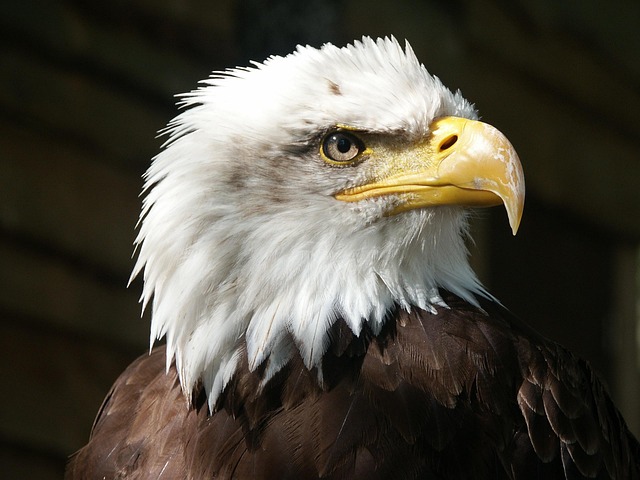
Though quieter, winter birding rewards patient visitors. Bald eagles, ravens, and juncos frequent open areas, while ducks rest in the wetlands. The peaceful atmosphere and soft desert light make it a relaxing time to explore.
What to Bring and How to Prepare
-
Binoculars or spotting scope – Lightweight 8x42s are ideal for hiking routes.
-
Camera with zoom lens – A 300mm or longer lens lets you capture raptors in flight.
-
Field guide or birding app – Merlin Bird ID and eBird hotspots cover Moab thoroughly.
-
Water and sun protection – The desert sun can be intense even on cool mornings.
-
Notebook or phone for species tracking – Many birders log sightings in eBird to help conservation efforts.
-
Comfortable footwear – Expect sandy paths, riverbanks, and short hikes to lookouts.
If you plan to photograph birds, bring a small tripod or monopod. Early light along the wetlands and riverbanks gives warm color and calm reflections.

Guided Birdwatching and Photography Tours
While Moab doesn’t have as many dedicated birdwatching guides as major coastal flyways, several local naturalist and eco-tour companies offer private or small-group tours focused on wildlife and photography. These often include dawn outings to the Matheson Wetlands, Castle Valley, or Dead Horse Point. Prices typically range from $90 to $150 per person for a half-day outing, depending on group size and customization.
Check with:
-
Moab Birding and Nature Tours – Local naturalist led excursions that emphasize desert ecology and identification.
-
Friends of Arches and Canyonlands Parks – Hosts educational bird walks during migration seasons.
If you are visiting during a festival or organized event, like the Castle Valley Bird Count, plan ahead because these fill up fast.
Summary
Guided tours are optional but can dramatically improve your experience, especially for beginners. Local experts help you find species that blend into red rock cliffs or hidden river groves.
Popular Bird Species to Watch For
Here are some species commonly seen while birdwatching in Moab:
-
Red-tailed Hawk
-
Canyon Wren
-
Peregrine Falcon
-
Western Bluebird
-
American Kestrel
-
Steller’s Jay (in the La Sals)
Each season brings surprises. With luck, you may even see a Golden Eagle soaring over Dead Horse Point or a Vermilion Flycatcher glowing red against the desert sand.
Sample Birdwatching Day Itinerary
Morning: Start at the Matheson Wetlands loop just after sunrise. Walk quietly through the reeds for about an hour.
Late morning: Drive along Highway 128, stopping at Fisher Towers Viewpoint for river and cliffside species.
Afternoon: Enjoy lunch at a local café (see EatingMoab.com for ideas) before heading to Arches National Park. The Courthouse Wash Trail provides shade and great light for afternoon photography.
Evening: Watch ravens and hawks catching thermals at Dead Horse Point before sunset.
This itinerary fits comfortably into one day and gives you a taste of every major habitat near Moab.
The Spirit of Birdwatching in Moab
Birdwatching in Moab connects you to the rhythm of the desert itself. Standing quietly by the river while a heron lifts off or watching a falcon trace the canyon walls reminds you why this landscape draws travelers from around the world. Whether you’re a first-time birder or a seasoned photographer, Moab’s wild spaces reward those who slow down and look closely.
When you’re ready to explore, plan your adventure through Moabing.com. Keep reading to find guided excursions, gear rentals, and insider travel tips to make your Moab vacation complete.
Related Adventures
What time of day is best for birdwatching in Moab?
Early morning (sunrise to 10 a.m.) is the most active time. Birds feed before the desert heat rises, and lighting is ideal for photos.
Is birdwatching in Moab family-friendly?
Absolutely. Many trails, especially at Matheson Wetlands and Dead Horse Point, are flat and easy for all ages. Bring snacks, water, and patience—kids often enjoy spotting ravens or hummingbirds.
Do I need a permit to birdwatch?
Most locations are free or included in regular park entry fees. Arches and Canyonlands require a National Park Pass or entry fee. The Matheson Wetlands Preserve has no fee.
Are there birding festivals in Moab?
Yes. The Castle Valley Bird Count (spring) and Christmas Bird Count (winter) are annual events that welcome visitors to participate in local surveys.
Can I see birds year-round in Moab?
Yes. Resident species like ravens, eagles, and wrens are always around, while migratory species appear seasonally. Each month offers something unique.